
Modern web applications are growing increasingly complex as features and user interactions continue to expand. While scalability is often discussed in terms of architecture, developers encounter it mostly at a ground level through validation constraints, API arguments, table states, or even page layout that is slightly misaligned. These may appear to be minor issues, but left unaddressed, they will quickly affect the user experience and, by extension, the users' trust in the product.
This reality was encountered firsthand during the development of the Fleet Management Platform project by Monstarlab Philippines. The application supports equipment selection, simulation, and proposal preparation for heavy machinery, with features that include data-driven forms, charts, exports, and printable outputs. In a system of this nature, inconsistencies in numbers, filters, or layout can lead to confusion, making a structured and detail-oriented development approach not just beneficial but essential.
A Modern Full-Stack Approach
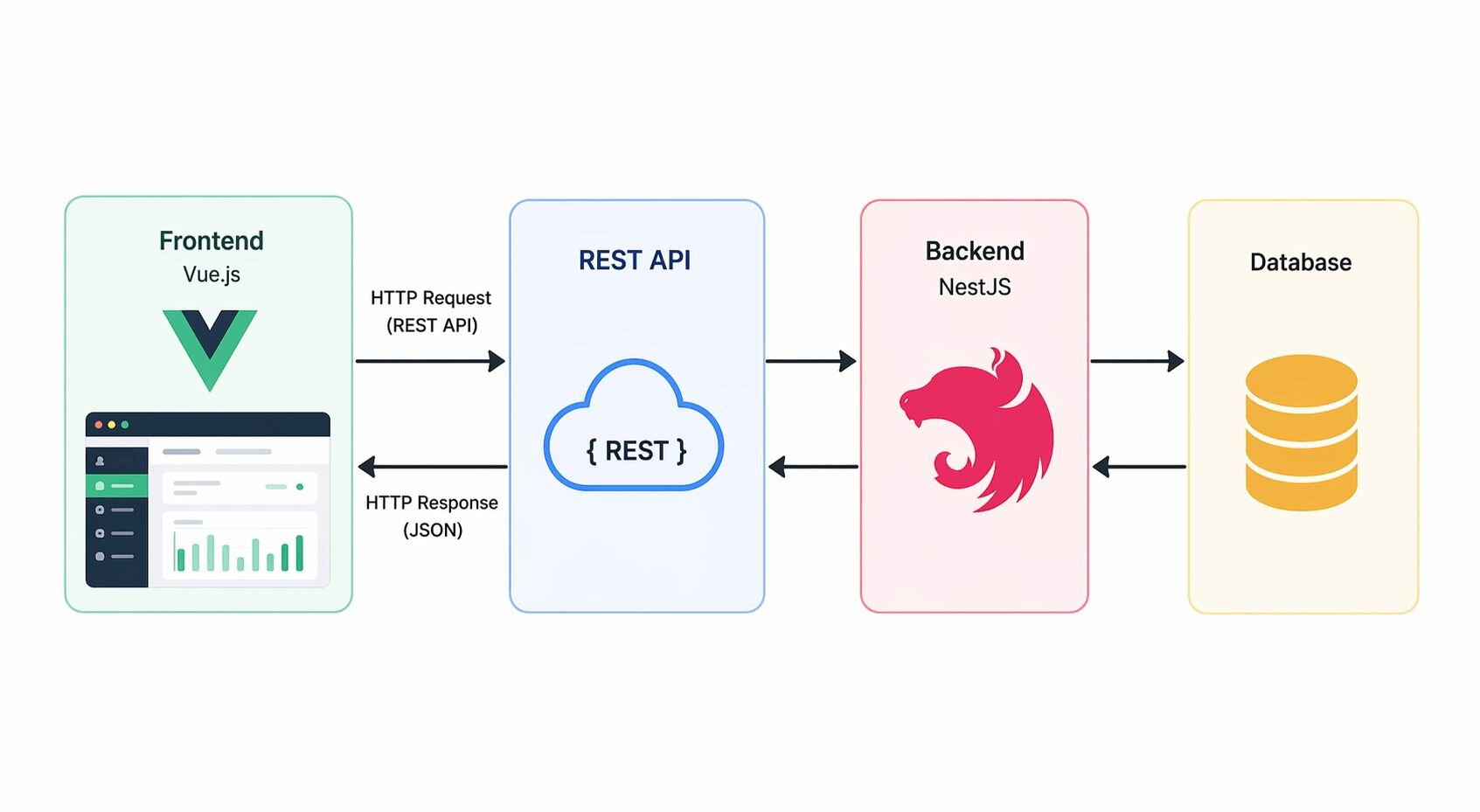
Figure 1. Simplified architecture showing frontend, backend, and database communication through REST API.
To support these requirements, the project uses a modern full-stack setup where Vue handles the frontend while NestJS powers the backend API. The two layers communicate through REST APIs, allowing each part of the system to remain focused on its own responsibilities while still functioning together as a cohesive application.
This separation helps reduce overall complexity, as the frontend remains dedicated to user interaction and presentation, while the backend handles validation, business logic, and data processing. Over time, this approach proved to be effective in keeping the codebase manageable, particularly as new features and improvements were continuously introduced.
Project Structure and Development Practices
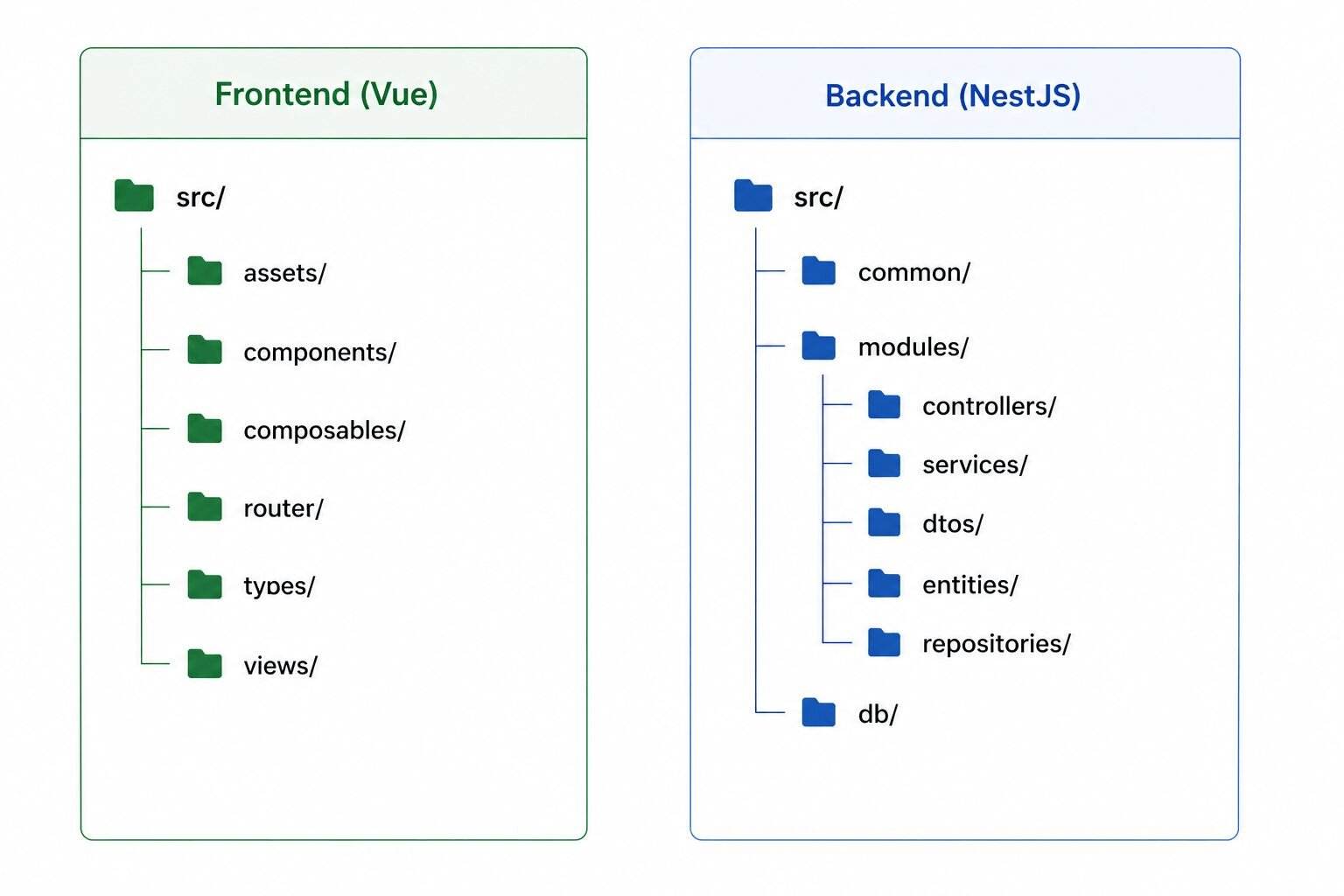
Figure 2. Frontend and backend project directory structure.
The Fleet Management Platform project follows a structured approach where the frontend and backend are clearly separated to support scalability and maintainability. On the frontend, the Vue application is organized by features, with components, composables, and utility functions grouped based on their responsibilities. This structure helps keep the codebase manageable as the application grows. API interactions are also centralized, which ensures consistent communication across different parts of the system.
On the backend, NestJS uses a modular architecture where each feature is encapsulated within its own module, including controllers, services, and data models. This separation allows developers to work on specific areas of the system without affecting unrelated functionality. Shared logic such as validation and common utilities is placed in reusable modules, helping maintain consistency across the application.
In terms of naming conventions and code practices, the project emphasizes clarity and consistency. Components, variables, and modules are named descriptively to make their purpose easier to understand. On the frontend, reusable logic is extracted into composables, while on the backend, structured validation is implemented using data transfer objects. Following these patterns helps ensure that changes remain predictable and easier to maintain as the system evolves.
Applying Vue in Real-World Interfaces
On the frontend, Vue was used to build dynamic features such as simulations, proposal previews, and data visualizations that help users understand equipment performance and operational results. These interfaces are not only interactive but also data-driven, meaning they must remain consistent and accurate across a wide range of scenarios.
A key area of focus involved improving the layout and behavior of printable proposal outputs, where elements such as graphs, tables, and labels required precise alignment. This required careful styling and layout adjustments to maintain visual consistency, while ensuring that the underlying components remained reusable and easy to maintain.
Leveraging NestJS for Backend Structure
On the backend, NestJS provided a structured and organized approach to handling API logic, data validation, and simulation data processing. It also supported critical features such as exporting results into Excel and delivering structured responses to the frontend, both of which are essential for maintaining consistency across the system.
The modular structure of NestJS made it considerably easier to understand how different parts of the application were organized. This made it possible to work on specific features or fixes without unintentionally impacting other areas, a particularly important advantage in a project with multiple interconnected modules.
Challenges and Learnings
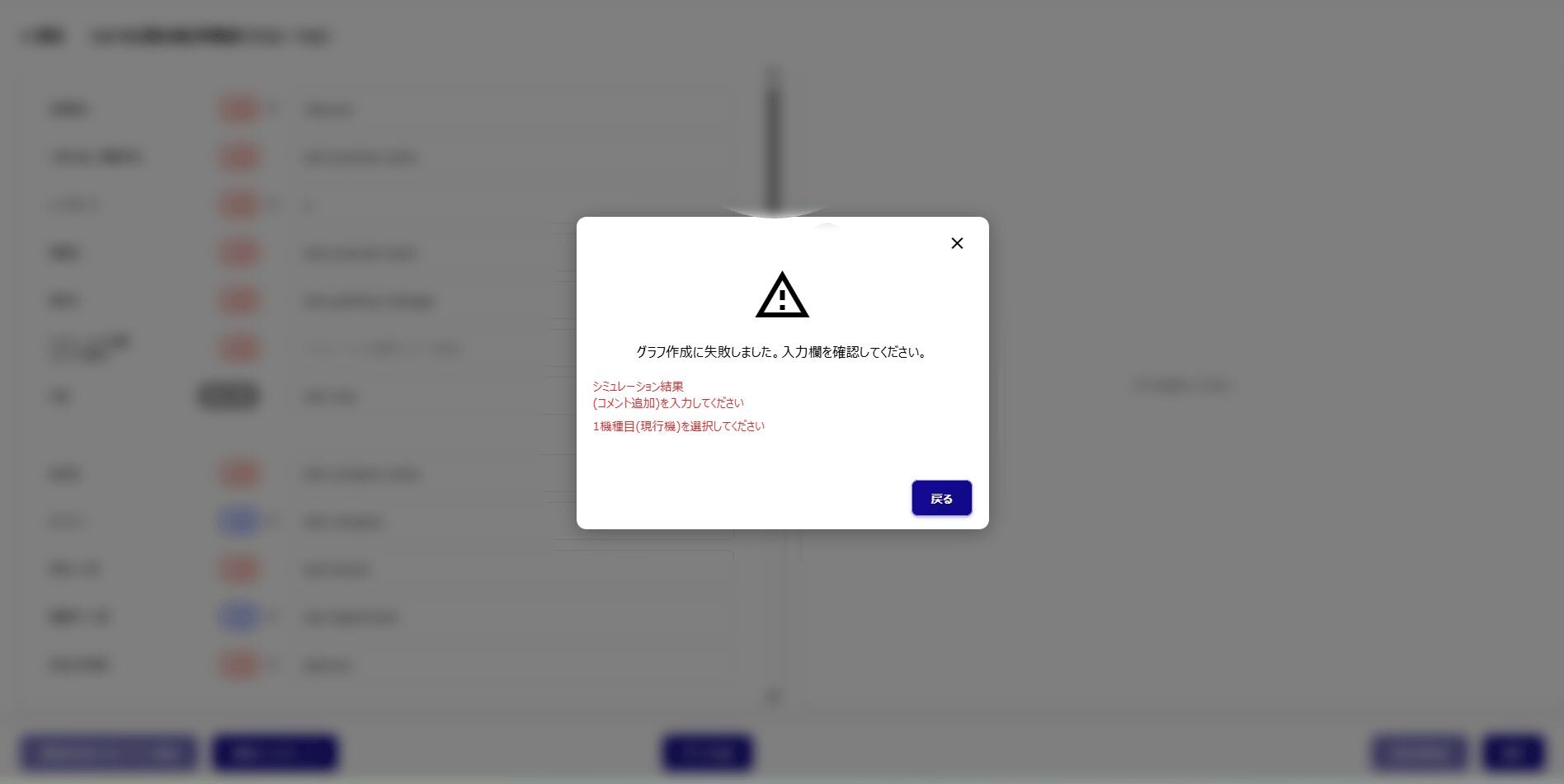
Figure 3. Validation feedback triggered by missing or invalid inputs, demonstrating how edge cases are handled to prevent incorrect system behavior in a production environment
Working on a production-level system introduces challenges that go beyond what is typically encountered in tutorials or smaller projects. Handling edge cases such as invalid inputs, duplicate configurations, and unexpected values required meticulous validation and testing to ensure that the system behaved correctly under varying conditions.
Maintaining consistency between frontend and backend behavior was another critical consideration. Features like filtering, selection, and data exporting needed to stay aligned across both layers, as even small mismatches could lead to incorrect results or cause confusion for end users.
Internationalization also emerged as a notable challenge, particularly when handling full-width characters used in Japanese input. Addressing these cases required additional considerations in both input validation and data formatting, highlighting the importance of designing systems that can adapt to different user environments.
Why Vue and NestJS Work Well Together
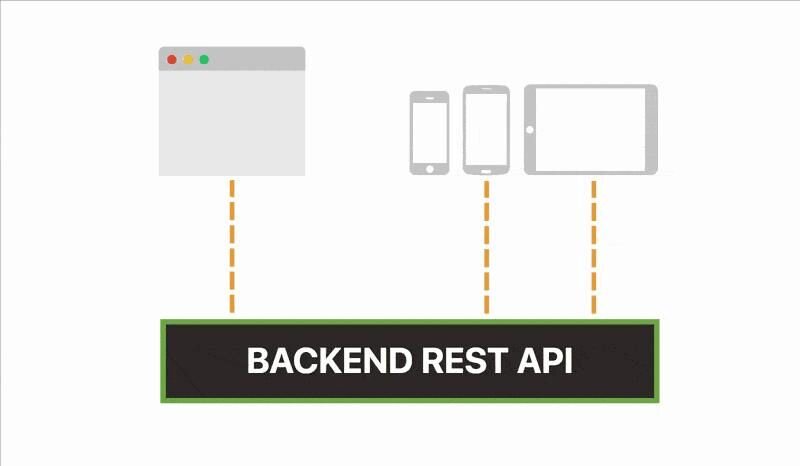
Figure 4. Separation of frontend and backend responsibilities, with multiple clients communicating through a centralized REST API.
Vue and NestJS complement each other effectively in building scalable applications, primarily because they promote a clear separation of concerns while still allowing developers to work within a consistent TypeScript-based environment. Vue simplifies the process of building interactive and responsive user interfaces, while NestJS provides structure and organization necessary for backend logic.
Together, they enable the development of features in a way that remains maintainable as the system scales, a quality that is especially valuable in projects involving complex data flows and multiple layers of functionality.
This Fleet Management Platform project offered meaningful exposure to building and maintaining a real-world application using modern technologies. It reinforced how critical it is to establish a clear architecture and to select tools that support long-term scalability and maintainability, particularly in systems that are expected to grow and evolve over time.
As applications become more complex, having a structured approach to development becomes less of an option and more of a necessity. In this context, using frameworks like Vue and NestJS can provide a strong foundation for building systems that are easier to manage, extend, and adapt to future requirements.
Build Your Next Web Application with Monstarlab Philippines
The principles explored in this article, encompassing clean architecture, separation of concerns, and scalable full-stack design, are at the core of how Monstarlab Philippines approaches every web application engagement. As a global digital product consultancy with a strong local team, Monstarlab Philippines specializes in designing and building robust, production-ready web applications tailored to complex business needs. Get in touch with the Monstarlab Philippines team today.
Author: Jebonne T. Elviña, Full-stack Developer at Monstarlab Philippines
—
References: